

IRS Tax Liens in 2025: What They Are and How to Remove Them
What Is a Tax Lien? And Why Does the IRS Use It?
When you owe back taxes and fail to pay or make arrangements, the IRS can file a public document known as a Notice of Federal Tax Lien. This signals that the IRS has a legal right to your current and future property—real estate, personal property, and financial assets. In 2025, as part of a push for greater enforcement and accountability, the IRS continues to aggressively file liens against taxpayers with unresolved debts.
Unlike a levy, which seizes property, a lien is a claim. It does not immediately take your property but instead establishes the IRS’s right to it, should you sell or refinance it.
Why IRS Tax Liens Are a Big Deal
Here’s what you need to know about how tax liens can seriously disrupt your financial life:
-
Credit Damage: Although tax liens no longer appear on standard credit reports, many lenders still conduct public record searches. A lien can make borrowing money or obtaining a mortgage extremely difficult.
-
Business Interference: If you run a business, a lien can attach to all your business property, including accounts receivable. This can devastate operations and cut off critical cash flow.
-
Property Complications: Want to sell your house or refinance? A tax lien may make it impossible until the issue is resolved or negotiated.
-
Public Record: Liens are public, which means employers, landlords, and business partners could discover them with ease.
How Do Tax Liens Work?
The IRS generally follows this path:
-
It assesses your liability.
-
It sends you a bill.
-
You fail to pay.
-
The IRS then files a Notice of Federal Tax Lien with your county recorder’s office or the secretary of state.
At this point, your name and tax debt are part of the public record.
Options for Removing or Minimizing the Impact of a Tax Lien
Thankfully, IRS tax liens are not permanent. Several avenues can help you remove them or reduce their impact. Here are the most effective:
1. Full Payment and Release of Lien
Once your full tax debt is paid—including penalties and interest—the IRS will issue a Certificate of Release of Federal Tax Lien within 30 days. This completely removes the lien and restores your financial standing.
2. Lien Withdrawal (Even Without Full Payment)
In some cases, you may qualify for a withdrawal—which removes the lien from public record entirely. This is different from a “release.” The IRS may approve a withdrawal if:
-
You’re in a Direct Debit Installment Agreement and owe less than $25,000.
-
Withdrawing the lien would make it easier for the IRS to collect the debt.
-
You can prove the lien was filed in error.
3. Subordination
Subordination doesn’t remove the lien, but it allows other creditors to move ahead of the IRS in line. This can be useful if you’re trying to refinance your home or secure a business loan and need to show creditors you’re a viable borrower.
4. Discharge of Property
If you're trying to sell a particular asset (like a house), the IRS may allow you to discharge that specific property from the lien. This is especially helpful during real estate transactions.
How to Prevent a Tax Lien in the First Place
The best way to avoid a tax lien is to address IRS notices early. Here’s what you can do:
-
File your returns on time (even if you can’t pay).
-
Set up a payment plan immediately if you receive a bill.
-
Communicate with the IRS or a tax resolution expert before the IRS escalates your case.
Why Work With Accelerated Tax Resolution?
IRS liens are stressful and complex. At Accelerated Tax Resolution, we take a comprehensive, strategic approach:
-
We assess your entire financial picture.
-
We determine whether you qualify for a lien withdrawal, subordination, or settlement.
-
We handle all IRS communication to keep the process moving efficiently.
-
We help rebuild your financial reputation and creditworthiness.
Led by a team with over 33 years of experience in tax assistance, Accelerated Tax Resolution has helped more than 12,000 taxpayers navigate IRS collections with confidence. If a tax lien is threatening your assets or future, don’t wait until the situation escalates. Let our seasoned professionals work on your behalf to resolve it.


Unfiled Tax Returns: What Happens If You Don't File and How to Fix It
Unfiled Returns: The Hidden Risk That Becomes a Real Threat
Each year, millions of taxpayers either forget, delay, or deliberately skip filing their tax returns. But unfiled returns aren’t just a matter of procrastination—they can become the gateway to aggressive IRS enforcement, including audits, penalties, criminal charges, and loss of refunds.
In 2025, the IRS has stepped up its focus on non-filers through the use of AI, wage matching, and third-party reporting. If you’ve missed filing in one or more years, your risk is higher than ever.
Why Filing Is Non-Negotiable
Even if you think you owe nothing—or expect a refund—filing your tax return is essential. Here's what happens if you don’t:
1. The IRS May File a “Substitute for Return” (SFR)
An SFR is the IRS’s version of your tax return, created using data from W-2s, 1099s, and other reported income. Sounds convenient? It’s not. They don’t include deductions, exemptions, or credits, and they assume the worst case scenario—resulting in inflated taxes owed.
2. You’ll Be Hit with Steep Penalties
-
Failure to File Penalty: 5% of unpaid taxes per month, up to 25%.
-
Failure to Pay Penalty: 0.5% per month, increasing with time.
-
Interest: Compounded daily, which can snowball your balance.
3. You Can Lose Your Refund
If you’re owed money and don’t file within three years, you forfeit your right to that refund—permanently. Once that clock runs out, it’s gone.
4. You May Face Criminal Charges
It’s rare, but repeated failure to file is a misdemeanor, punishable by fines and potential jail time. The IRS uses enforcement cases strategically to set examples.
How Many Years of Unfiled Returns Do I Need to File?
The IRS typically requires at least six years of back returns to become compliant, though more may be necessary depending on your situation.
How to Resolve Unfiled Tax Returns in 2025
Getting back on track requires more than just dropping off old W-2s. Here’s a plan to resolve the issue safely and efficiently:
Step 1: Don’t Panic—but Don’t Delay
Ignoring the problem only increases your risk. Every day you wait is another day of accruing penalties and interest—or worse, inviting IRS collections.
Step 2: Gather All Tax Documentation
Collect W-2s, 1099s, prior notices, bank statements, and any records that help reconstruct your income and expenses. A tax resolution expert can also retrieve income transcripts directly from the IRS.
Step 3: Prepare and File All Missing Returns
This is where it gets tricky—especially if the IRS has filed SFRs against you. We may need to amend or replace those returns with more accurate versions that include deductions and credits.
Step 4: Address the Tax Owed
Once your true liability is determined, it’s time to address the debt. Common options include:
-
Installment Agreements: Pay over time through monthly plans.
-
Offer in Compromise (OIC): Settle for less if you meet strict eligibility.
-
Currently Not Collectible: If your finances are dire, collections may pause.
-
Penalty Abatement: Reduce penalties if you show “reasonable cause.”
Step 5: Protect Yourself from Collections
If you’ve filed but can’t pay immediately, swift action is required to avoid wage garnishment, bank levies, or liens. Working with a resolution team ensures that these threats are mitigated while a solution is negotiated.
How Accelerated Tax Resolution Helps with Unfiled Returns
Dealing with unfiled tax returns requires precision, experience, and strategic communication with the IRS. At Accelerated Tax Resolution, we:
-
Retrieve past IRS records to uncover what’s already known.
-
Prepare missing returns accurately and efficiently.
-
Negotiate on your behalf to reduce debt and stop enforcement actions.
-
Handle all interactions with the IRS, so you never have to navigate it alone.
With over 12,000 cases resolved and a team that combines decades of experience, we’ve seen—and fixed—every type of unfiled tax situation imaginable. We don’t just help you catch up. We help you stay ahead.

Truckers and Tax Debt: How to Steer Clear of IRS Trouble
Truckers keep America moving, but staying on top of taxes can be tough. Whether you’re an owner-operator or work for a trucking company, tax debt can sneak up on you. Many truckers fall behind due to self-employment taxes, fluctuating income, or missing quarterly payments. If you’re struggling with IRS debt, don’t wait—there are solutions to help you get back on the road financially.
Why Do Truckers Face Tax Debt Issues?
Several factors make tax compliance more difficult for truck drivers:
- Self-Employment Taxes – Owner-operators must pay both employer and employee portions of Social Security and Medicare taxes.
- Irregular Income – Earnings vary throughout the year, making it difficult to set aside the right amount for taxes.
- Missed Quarterly Tax Payments – Independent drivers are required to make estimated tax payments, and missing these can lead to penalties.
- Unclaimed Deductions – Fuel, maintenance, lodging, and meal expenses can reduce taxable income, but many truckers miss out on deductions due to poor record-keeping.
- Payroll Tax Issues – If you run a trucking business with employees, failing to properly withhold and remit payroll taxes can create serious IRS problems.
What Happens If You Owe Back Taxes?
Falling behind on taxes can have severe consequences, including:
- IRS Collection Actions – The IRS can garnish wages, seize assets, or place tax liens on your property.
- License and Certification Issues – Some states may withhold CDL renewals if you have unresolved tax debt.
- Growing Penalties and Interest – The longer you wait, the larger your debt becomes due to penalties and interest.
How Truckers Can Resolve Tax Debt
If you’re a trucker dealing with IRS debt, here’s how to take control of the situation:
- File Any Unfiled Tax Returns – Even if you can’t pay in full, filing prevents additional penalties.
- Set Up a Payment Plan – An IRS installment agreement allows you to pay your debt over time.
- Consider an Offer in Compromise (OIC) – If you qualify, you may be able to settle your tax debt for less than you owe.
- Request Penalty Relief – If you have a valid reason for falling behind, you might be able to reduce penalties.
- Get Professional Help – Dealing with the IRS can be overwhelming. A tax resolution expert can guide you to the best solution.
Get Back in the Driver’s Seat
Tax debt doesn’t have to put your trucking career at risk. If you’re struggling with IRS problems, Accelerated Tax Resolution is here to help. Our team specializes in tax relief solutions for truckers, negotiating with the IRS so you can focus on keeping your business moving. Contact us today to explore your options and get back on track.

2025 Tax Resolution in Naperville, IL: Your Path to Financial Relief
Dealing with tax issues can be stressful, especially when navigating the complexities of both state and federal tax laws. In Naperville, IL, where residents face an ever-changing tax landscape, it’s more important than ever to have a trusted tax resolution professional by your side. Whether you’re dealing with unfiled returns, wage garnishments, or tax liens, the right expert can help you take control of your tax situation and guide you toward a more secure financial future.
In 2025, Naperville residents will continue to encounter a variety of tax challenges. Fortunately, tax professionals at Accelerated Tax Resolution are here to help. With years of experience in resolving tax issues, our team is equipped to provide effective solutions and give you the support you need to get back on track.
Comprehensive Tax Resolution Services Offered:
- IRS Notice Resolution: Our experts will help you interpret IRS notices and respond appropriately, minimizing any further complications.
- Tax Lien Assistance: If you’ve received a tax lien, we’ll guide you through the process of removing it and preventing additional tax-related problems.
- Offer in Compromise (OIC): We can help you explore the possibility of settling your tax debt for less than you owe, giving you a fresh start.
- Installment Agreements: We assist in setting up manageable payment plans based on your financial situation, helping you pay off your tax debt in a way that works for you.
- Innocent Spouse Relief: If your spouse’s tax debt is causing you trouble, we can help you explore your options for relief.
- Audit Representation: We represent you during IRS audits to ensure your rights are protected and your case is handled professionally.
- Penalty Abatement: If you’re facing penalties, we’ll work to reduce or remove them based on reasonable causes, helping to ease your financial burden.
- Bank Levy and Wage Garnishment Release: We help stop bank levies and wage garnishments that threaten your financial stability, giving you peace of mind.
Why Choose Accelerated Tax Resolution?
At Accelerated Tax Resolution, we understand that every tax situation is unique. That’s why we offer a personalized approach to each client, tailoring our solutions to meet your specific needs. Whether you’re an individual struggling with tax debt or a business needing expert assistance, our team has the experience and knowledge to find the right resolution for you.
For years, we’ve built a reputation in Naperville and the surrounding areas for providing top-notch tax resolution services. When you choose to work with us, you’re partnering with a team dedicated to protecting your financial future and helping you achieve the best possible outcome.
Take the First Step Toward Resolution Today
Don’t let tax problems control your life in 2025. Reach out to Accelerated Tax Resolution for a consultation, and let us help you find a solution that works. Our team is ready to provide the support you need to resolve your tax issues and regain your financial peace of mind.
Call us today at (630) 428-3015 to learn more about how we can help you navigate the complexities of tax resolution in Naperville, IL. Start your journey toward a brighter, more secure future today!
Understanding Crypto Tax Debt: How to Resolve Issues with the IRS
The rise of cryptocurrency has brought new financial opportunities, but it has also led many investors into unexpected tax trouble. If you’ve bought, sold, or traded crypto without properly reporting it, you may now be facing IRS debt. The good news is that there are ways to address the problem before it escalates. Here’s what you need to know about crypto taxes and how to resolve tax debt effectively.
Why Crypto Investors Face IRS Issues
Many people don’t realize that the IRS treats cryptocurrency as property, similar to stocks or real estate. This means that every transaction—whether a trade, sale, or even spending crypto—can have tax consequences. Common reasons investors fall into tax debt include:
- Failure to Report Transactions – Many crypto holders don’t realize they must report gains and losses on their tax returns.
- Complex Record-Keeping – Tracking crypto transactions across multiple exchanges can be overwhelming, leading to reporting mistakes.
- Underpayment of Taxes – Some investors assume they only need to pay taxes when converting crypto to cash, but tax liabilities can arise from trades as well.
- IRS Crackdowns – The IRS has increased enforcement efforts, issuing letters and audits to crypto investors who failed to report their transactions.
Consequences of Ignoring Crypto Tax Debt
If you owe taxes on your crypto activity, ignoring the problem can lead to serious consequences, such as:
- IRS Notices and Audits – The IRS may send a CP2000 or other notice demanding unpaid taxes and penalties.
- Tax Liens and Levies – Unpaid tax debt can result in IRS claims against your property, wages, or bank accounts.
- Increased Penalties and Interest – The longer you wait to address tax debt, the more it will grow due to penalties and interest charges.
How to Fix Crypto Tax Problems
If you’re struggling with IRS debt due to cryptocurrency transactions, you have several options for resolution:
- File or Amend Tax Returns – If you failed to report crypto transactions, filing amended returns can help correct past mistakes.
- Set Up a Payment Plan – If you can’t pay your full tax bill immediately, an IRS installment agreement allows for manageable monthly payments.
- Explore an Offer in Compromise (OIC) – If you qualify, you may be able to settle your tax debt for less than you owe.
- Request Penalty Abatement – If you have a reasonable cause for not reporting your taxes properly, you may be eligible to have penalties reduced.
- Get Professional Help – Crypto tax regulations are complex, and an experienced tax resolution expert can help navigate the process and negotiate with the IRS.
Get Back on Track with Expert Help
Crypto tax debt doesn’t have to ruin your financial future. If you’re facing IRS issues due to cryptocurrency transactions, Accelerated Tax Resolution can help. Our team specializes in resolving tax debt and negotiating with the IRS so you can move forward with confidence. Contact us today to explore your options and regain financial peace of mind.

What Happens If I Ignore an IRS Notice?
Receiving a notice from the Internal Revenue Service (IRS) can be unsettling, but disregarding such correspondence can lead to serious consequences. It's essential to understand the importance of these notices and the potential repercussions of ignoring them.
The Purpose of IRS Notices
The IRS sends notices for various reasons, including:
- Informing You of Outstanding Taxes: Notices may indicate taxes owed, including penalties and interest.
- Requesting Additional Information: The IRS might need clarification or further details regarding your tax return.
- Notifying You of Audits or Examinations: Some letters inform you of an impending audit or examination of your tax filings.
Consequences of Ignoring IRS Notices
- Accruing Penalties and Interest: Unpaid taxes accumulate interest and penalties over time, increasing your financial burden.
- Enforced Collection Actions: The IRS can initiate actions such as levies on your bank accounts or wages and place liens on your property.
- Loss of Appeal Rights: Failing to respond within the specified timeframe can forfeit your right to contest the IRS's findings.
- Negative Impact on Credit: Tax liens can appear on your credit report, adversely affecting your credit score and future borrowing ability.
- Potential Legal Action: In severe cases, ignoring IRS communications can lead to legal proceedings, including criminal charges for tax evasion.
Steps to Take Upon Receiving an IRS Notice
- Read the Notice Carefully: Understand the issue and any actions required on your part.
- Respond Promptly: Timely responses can prevent further complications and preserve your rights.
- Seek Professional Assistance: Consulting a tax professional can provide guidance tailored to your situation.
Preventative Measures
- Keep Accurate Records: Maintain thorough documentation of your financial activities and tax filings.
- Stay Informed: Regularly review your tax obligations and any correspondence from the IRS.
- Address Issues Early: Proactively managing tax matters can prevent escalation and additional penalties.
At Accelerated Tax Resolution, we understand the complexities of tax issues and the stress that IRS notices can cause. Our team is dedicated to assisting you in navigating these challenges, ensuring that you respond appropriately and effectively to any IRS correspondence.
Contact Us Today
If you've received an IRS notice or have concerns about your tax situation, don't hesitate to reach out. We're here to provide the support and expertise you need to achieve a favorable resolution.
Accelerated Tax Resolution
📞 (630) 428-3015

I Received a CP1058 Letter. What Should I Do Next?
Receiving an unexpected letter from the IRS can be stressful, especially when it involves serious action. The CP1058 is one such notice that requires your immediate attention. If you’ve received this letter, it’s crucial to understand its purpose, the potential implications, and how to address it effectively.
What Is a CP1058 Letter?
The CP1058, also known as the Final Notice of Intent to Levy and Your Right to a Hearing, is issued by the IRS when they plan to levy your property to collect unpaid taxes. This letter indicates that previous attempts to resolve the debt have not been successful, and the IRS is now taking steps to secure payment through more aggressive means, such as:
- Garnishing wages
- Seizing bank accounts
- Placing liens on property
The notice also informs you of your right to request a Collection Due Process (CDP) hearing within 30 days of the date on the letter.
Why Did You Receive a CP1058 Letter?
The IRS issues a CP1058 when you owe back taxes and have not taken action to resolve the debt despite prior notices. Common reasons include:
- Unpaid Tax Balances: Taxes from previous years remain unpaid.
- Ignored IRS Notices: Previous communications about the balance were not addressed.
- Missed Payment Plans: Defaulting on an agreed-upon installment plan.
This letter signals that the IRS is prepared to use all available means to collect the owed amount unless action is taken promptly.
Steps to Take If You Receive a CP1058
- Do Not Ignore the Letter: This is a final warning from the IRS. Ignoring it could lead to serious financial consequences.
- Review the Notice Carefully: Understand the details, including the amount owed, the deadline to respond, and your right to a hearing.
- Request a Collection Due Process Hearing: If you disagree with the IRS’s actions or need time to resolve the debt, filing for a CDP hearing within 30 days is essential. This can temporarily halt the levy process.
- Evaluate Your Options: Depending on your situation, you may:
- Pay the amount in full, if possible.
- Negotiate an Installment Agreement to pay in smaller amounts over time.
- Explore an Offer in Compromise to settle the debt for less than what you owe.
- Request a Currently Not Collectible status if you cannot pay at all.
- Seek Professional Help: The IRS collection process is complex, and responding incorrectly can worsen your situation.
Why Professional Assistance Matters
A CP1058 letter represents one of the IRS’s most serious collection actions. Navigating the response process requires a solid understanding of tax law and IRS procedures. A tax resolution expert can:
- Evaluate your financial situation and recommend the best course of action.
- Represent you in communications with the IRS, including during a CDP hearing.
- Help negotiate terms to reduce or eliminate the stress of the debt.
At Accelerated Tax Relief, we specialize in helping taxpayers resolve issues like the CP1058 notice. Our team understands the urgency and complexity of these situations and is here to guide you through every step.
Don’t wait until it’s too late. If you’ve received a CP1058 letter, call us today at (630) 428-3015. Let us help you take control of your tax situation and work toward a resolution that protects your financial future.
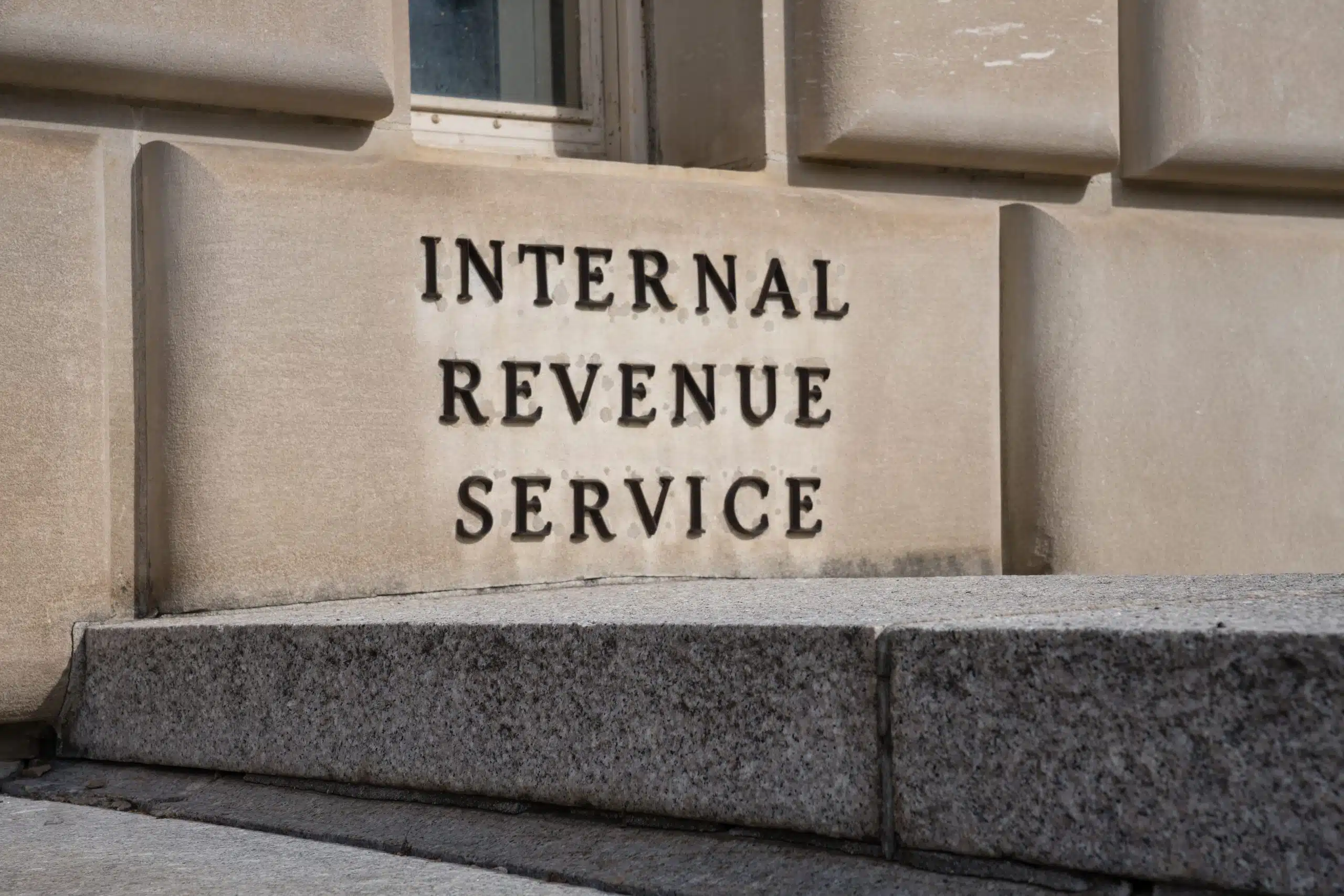
I’m Facing an IRS Audit. What Should I Do?
Few things cause more anxiety for taxpayers than an IRS audit. While it’s natural to feel concerned, understanding the process and preparing appropriately can make all the difference. If you’ve received a notice, here’s what you need to know to handle the situation with confidence.
Why Does the IRS Audit Taxpayers?
An audit is essentially the IRS’s way of double-checking your tax return for accuracy. While some audits are triggered by discrepancies or unusual claims, others are simply random. Common reasons include reporting errors, high-value deductions, or discrepancies between your return and information reported by third parties, such as employers or banks.
Types of Audits
Audits can vary widely in complexity. A correspondence audit may involve nothing more than submitting documentation by mail, while a field audit might require an in-person review of your financial records.
Understanding the type of audit you’re facing is the first step in addressing it effectively.
How to Respond
When you receive an audit notice, start by reading it carefully. The notice will explain why your return is being reviewed and what the IRS is requesting. From there:
- Gather Documentation: Collect all relevant records, including receipts, bank statements, and prior returns.
- Stay Organized: Present your information in a clear and concise manner to avoid delays or confusion.
- Respond on Time: Delaying your response can lead to penalties or escalation of the audit process.
Do You Need Professional Help?
While some audits can be resolved with straightforward responses, others require in-depth knowledge of tax law. Working with a tax resolution expert can relieve much of the stress and uncertainty. A professional can analyze your case, represent you in communications with the IRS, and work to minimize penalties or additional tax liabilities.
Preventing Future Audits
While not all audits can be avoided, maintaining accurate records and double-checking your return for errors can reduce your chances of being flagged. Filing on time and ensuring consistency between your return and third-party records is also essential.
Facing an Audit? We Can Help
An IRS audit doesn’t have to be overwhelming. At Accelerated Tax Relief, we help taxpayers navigate the audit process with confidence. Whether you’re facing a correspondence audit or something more complex, we’re here to guide you every step of the way.
Call us today at (630) 428-3015 to schedule a consultation. Let us help you resolve your audit efficiently and protect your financial future.

Tax Liens: What You Need to Know and How to Address Them
A tax lien is a serious matter that can have significant implications for your financial health. Understanding what a tax lien is, how it can affect you, and the steps you can take to resolve it is crucial.
What Is a Tax Lien?
A tax lien is a legal claim by the government against your property when you fail to pay a tax debt. This claim can attach to all your assets, including real estate, personal property, and financial accounts. While a lien doesn't mean immediate seizure of your property, it does secure the government's interest in your assets, which can lead to more severe actions if not addressed.
How Does a Tax Lien Affect You?
- Credit Score Impact: A tax lien can significantly lower your credit score, making it more challenging to secure loans or credit.
- Property Transactions: Selling or refinancing your property becomes difficult with an active lien, as it clouds the title.
- Business Operations: For business owners, a lien can attach to all business property and rights to business property, including accounts receivable, potentially disrupting operations.
Steps to Resolve a Tax Lien
- Full Payment: Paying your tax debt in full is the most straightforward way to remove a lien. The IRS typically releases the lien within 30 days after full payment.
- Installment Agreement: If full payment isn't feasible, consider arranging a payment plan with the IRS to pay off your debt over time.
- Offer in Compromise: In certain situations, you might qualify to settle your tax debt for less than the full amount owed.
- Lien Subordination: This option allows other creditors to move ahead of the IRS, which can make it easier to obtain a loan or mortgage.
Preventing Future Tax Liens
- Timely Tax Payments: Ensure you file and pay your taxes on time to avoid liens.
- Open Communication: If you're unable to pay your taxes, contact the IRS promptly to discuss alternative arrangements.
- Professional Assistance: Consulting with a tax professional can provide personalized strategies to manage and prevent tax liabilities effectively.
At Accelerated Tax Resolution, we specialize in assisting individuals and businesses facing tax liens. Our experienced team is dedicated to helping you navigate the complexities of tax issues, negotiate with the IRS on your behalf, and develop a plan to resolve your tax debts.
Contact Us Today
If you're dealing with a tax lien or other tax-related concerns, don't hesitate to reach out. Our professionals are here to provide the guidance and support you need to regain your financial footing.
Call (630) 428-3015 to start your journey towards financial freedom!

Tax Attorney in Naperville: Expert Solutions for Your IRS Challenges
Tax issues can feel overwhelming, especially when you’re dealing with the complexities of IRS rules and regulations. For those in Naperville, IL, finding the right help is critical. Accelerated Tax Resolution, in partnership with skilled tax attorneys, provides the expert guidance and solutions you need to tackle your toughest tax problems.
Our collaboration with experienced local attorneys ensures that every case is approached with a well-rounded strategy. Whether you’re facing a tax audit, liens, or wage garnishment, this partnership allows us to deliver comprehensive, legally sound solutions tailored to your needs.
Comprehensive Tax Resolution Services
With the combined expertise of Accelerated Tax Resolution and trusted tax attorneys, we offer a full range of services, including:
- IRS Notice Resolution: Interpreting and resolving intimidating IRS letters with legal backing.
- Tax Lien Assistance: Partnering with attorneys to lift liens and protect your assets.
- Offer in Compromise (OIC): Negotiating settlements to reduce your tax debt.
- Installment Agreements: Structuring manageable payment plans with legal oversight.
- Innocent Spouse Relief: Protecting you from responsibility for your spouse’s tax mistakes.
- Audit Representation: Advocating for you during IRS audits with professional and legal expertise.
- Penalty Abatement: Reducing or eliminating IRS penalties with a strategic approach.
- Bank Levy Release: Stopping the IRS from seizing your bank accounts.
- Wage Garnishment Release: Ending wage garnishments with strong, attorney-supported advocacy.
The Power of Partnership
If necessary, we will partner with an attorney to create a powerhouse team that will get you the best results possible. Our collaboration with attorneys strengthens our ability to provide the best outcomes for our clients. Together, we deliver results that not only address your immediate concerns but also protect your long-term financial well-being.
Why Choose Accelerated Tax Resolution?
At Accelerated Tax Resolution, we understand that no two tax situations are the same. That’s why we take a client-first approach, focusing on your individual circumstances and goals. Our expertise in Naperville’s tax landscape allows us to craft customized strategies that resolve your issues and protect your financial future.
Our team’s dedication to achieving results has earned us the trust of clients throughout Naperville and the surrounding areas. Whether it’s tackling a complex IRS notice or negotiating a fair resolution to your tax debt, we’re committed to guiding you every step of the way.
Take Control of Your Tax Challenges Today
If you have tax debt or other IRS issues in Naperville, Accelerated Tax Resolution and our trusted attorney partners are here to help. Don’t face the IRS alone—let us guide you through the process with confidence and care.
Call us today for a free consultation!